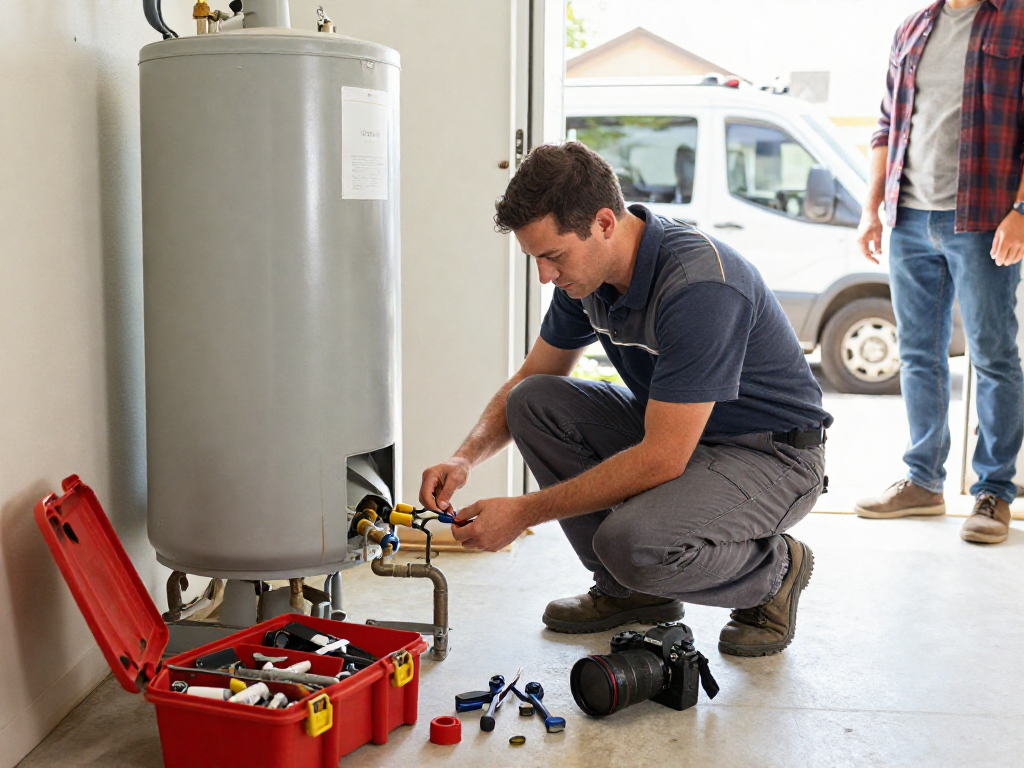
Understanding Water Heater Types and Their Common Issues
Water heaters are essential appliances in our homes, providing hot water for various needs, from cooking and cleaning to bathing. With various types of water heaters available in the market, each comes with its own set of challenges. Understanding these types and their common issues is the first step toward ensuring your water heater operates efficiently. When exploring options, water heater repair Fort Worth offers comprehensive insights that can help you make informed decisions.
1. Different Types of Water Heaters
There are several types of water heaters commonly found in homes today:
- Tank Water Heaters: These traditional models store a large volume of hot water in a tank. They are available in electric and gas options, providing ample hot water but may lead to higher energy bills if not maintained properly.
- On-Demand (Tankless) Water Heaters: These units heat water directly as it flows through the unit, providing hot water only when needed. They are energy-efficient but may require a higher initial investment.
- Heat Pump Water Heaters: Utilizing electricity to move heat from one place to another, these heaters are highly energy-efficient but work best in moderate climates.
- Solar Water Heaters: Solar-powered systems harness energy from the sun to heat water. They are environmentally friendly but usually require a backup system for cloudy days.
2. Common Problems Faced by Homeowners
Regardless of the type, water heaters can develop a range of issues:
- Insufficient Hot Water: This problem often arises from a malfunctioning thermostat or sediment buildup in tank models.
- Strange Noises: Rumbling or popping sounds may indicate sediment accumulation that needs to be flushed out.
- Leaks: Water leaks from the tank, valves, or pipes can cause extensive water damage if not addressed promptly.
- Discolored Water: Rusty or cloudy water could signal corrosion within the tank or plumbing system.
3. Signs You Need Professional Repair Services
Identifying the right moment to call a professional can save you money and prevent further damage:
- Frequent Repairs: If you find yourself frequently repairing your water heater, it may be time for a replacement.
- Age of the Heater: Most water heaters last about 10-15 years; if yours is older, professional evaluation is essential.
- Inconsistent Water Temperature: Fluctuating temperatures can indicate a failing thermostat or heating element.
Key Factors to Consider Before Scheduling Water Heater Repair
Before you send for repair services, consider the following factors to ensure you make informed decisions:
1. Assessing Your Water Heater's Age and Condition
The age of your water heater plays a significant role in its repair viability. If your heater is nearing the end of its lifespan, repairs may not be worth the investment. Regular assessments can help determine if a replacement is more cost-effective.
2. Evaluating Repair Costs vs. Replacement
Weighing the costs of repairs against the cost of a new unit is crucial. If the repair bill exceeds 50% of the replacement cost, it may be time to invest in a new water heater. Additionally, consider potential energy savings from more efficient models.
3. Importance of Choosing Licensed Professionals
Selecting licensed professionals for water heater repair ensures quality work and compliance with local codes. Licensed technicians have the training to diagnose problems accurately and apply the right solutions, protecting your investment.
Steps to Ensure Effective Water Heater Repair
To facilitate a smooth repair process, follow these steps:
1. Preparing Your Home for Service Visits
Clear the area around your water heater to allow technicians easy access. This includes moving any stored items or furniture that may obstruct their work. A well-prepared space allows for a quicker and more efficient repair process.
2. Communicating Effectively with Your Technician
Clearly communicate the symptoms and any previous issues you’ve observed with your water heater. This information can help the technician diagnose the problem accurately and expedite the repair process.
3. Understanding the Repair Process
Familiarize yourself with the repair process. Knowing what to expect can alleviate anxiety and help you ask informed questions while the technician works.
How to Maintain Your Water Heater After Repair
Keeping your water heater in optimal condition post-repair is critical for longevity and efficiency:
1. Regular Maintenance Tips for Longevity
Implement maintenance routines such as flushing the tank annually to remove sediment buildup and checking the anode rod every few years for corrosion. Regular maintenance can extend the life of your heater and improve efficiency.
2. Signs That Indicate Future Problems
Be mindful of early warning signs such as unusual noises, fluctuating temperatures, or leaking fluids. Addressing these signs early can potentially save you costly repairs or a full replacement.
3. When to Schedule Routine Checks
It’s recommended to schedule a professional inspection every 1-2 years. This regular service can help catch minor issues before they escalate into major problems, ensuring your water heater remains in good working order.
Future Trends in Water Heater Technology (2026 and Beyond)
As technology advances, the water heating industry continues evolving to meet energy efficiency and eco-friendliness:
1. Advancements in Energy Efficiency
Future water heaters are expected to integrate more energy-efficient technologies, making them less costly to operate while reducing environmental impact. Innovations in insulation materials and heating elements will lead to better performance.
2. Smart Water Heater Options
Smart technology will likely play a significant role, allowing homeowners to monitor and control their water heaters remotely via apps, leading to increased efficiency and convenience.
3. Environmental Considerations and Regulations
In the coming years, regulations around energy consumption and emissions will tighten, pushing manufacturers to innovate cleaner and more efficient water heating solutions that comply with new laws.
What are common signs of water heater failure?
Common signs include inconsistent water temperature, strange noises, discolored water, and visible leaks. If you experience any of these, it is advisable to contact a professional for evaluation.
How often should I schedule water heater maintenance?
Routine maintenance checks should be scheduled every 1-2 years, with annual flushing of the tank recommended to prevent sediment buildup.
Is it better to repair or replace my water heater?
If repair costs exceed 50% of the replacement costs, it’s typically more economical to replace your water heater. Additionally, consider the age and efficiency of your current unit.
What qualifications should a water heater technician have?
A qualified technician should be licensed, insured, and have experience with your specific type of water heater. Look for reviews or ask for references to ensure quality service.
How can I improve the efficiency of my water heater?
Improving efficiency can be achieved by regularly flushing the tank, insulating pipes, and setting the thermostat to an optimal temperature. Additionally, consider upgrading to a modern, energy-efficient model.